Everything You Need to Know About Craft Beer — In One Place
Craft beer has reshaped the bar and restaurant industry in ways that go far beyond the tap list. For operators, it represents margin, identity, and a reason for guests to return. For customers, it signals quality, discovery, and conversation. This hub brings together every piece of content Evergreen has produced on craft beer — from staff training and beer styles to digital beer menu boards and profit-driving strategies. Whether you run a brewery taproom, a craft beer bar, or a full-service restaurant with a serious tap program, this is your reference point.
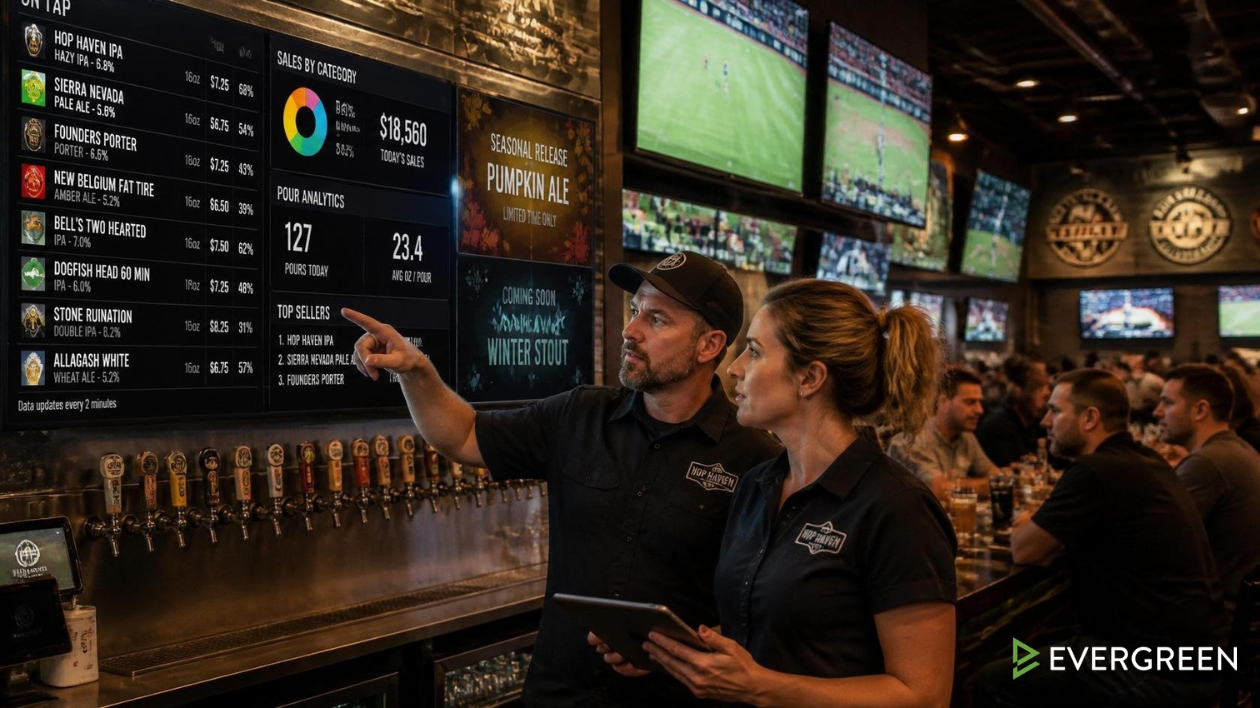
The craft beer category now includes more than 9,000 active breweries in the United States alone. Bar and restaurant operators are navigating a category that changes every season, every release cycle, and every regional trend. Staying current on what’s on tap — and making sure your guests can see it — is no longer optional. It’s how you compete. Digital beer menus and real-time tap list management have become standard tools for operators who take their beer program seriously.
This page is organized by topic so you can find exactly what you need. Jump to beer styles, staff training, tap list strategy, brewery business resources, or digital menu tools. Every article here is written for the people who run the programs — not just the people who drink the beer.
🍺 Digital Beer Menu Boards — The Foundation
Before diving into styles and strategy, the most important infrastructure decision for any beer-forward operator is how guests see your tap list. A digital beer menu board updates in real time, eliminates printed menu waste, and lets you feature rotating taps, limited releases, and seasonal offerings the moment they go on. Evergreen was built for exactly this.
- Digital Beer Menu Boards: Complete Guide for Breweries & Taprooms
- Best Digital Beer Board Examples
- Setting Up Your First Digital Beer Board: Step-by-Step
- How to Design Custom Beer Menus for Your Bar
- Beer Menu Ideas to Try in Your Bar or Restaurant
- Untappd Alternatives: Best Digital Beer Menu Solutions
- Evergreen vs. Untappd: Why Evergreen Is the Clear Choice
Ready to Modernize Your Tap List?
Join 4,500+ bars, breweries, and restaurants using Evergreen to manage their beer menus in real time.
🎓 Craft Beer Staff Training
Your staff sells the beer. If they can’t describe a hazy IPA versus a West Coast IPA, or explain why a barleywine costs more, you’re leaving money on the table. These resources help you build a team that talks about beer with confidence — and converts curious customers into repeat buyers of your best-margin products.
- Craft Beer Training for Your Staff
- How to Properly Taste a Craft Beer
- How to Perfectly Pour & Serve a Craft Beer
- A Guide to Beer Glassware
- Debunking Common Myths About Beer
- Certified Beer Cicerone: Expert Beer Tasting Certification
- How Many Beers Should I Keep on Tap?
- Dark Beers to Recommend to Customers Who Dislike Dark Beer
🍻 Beer Styles Guide
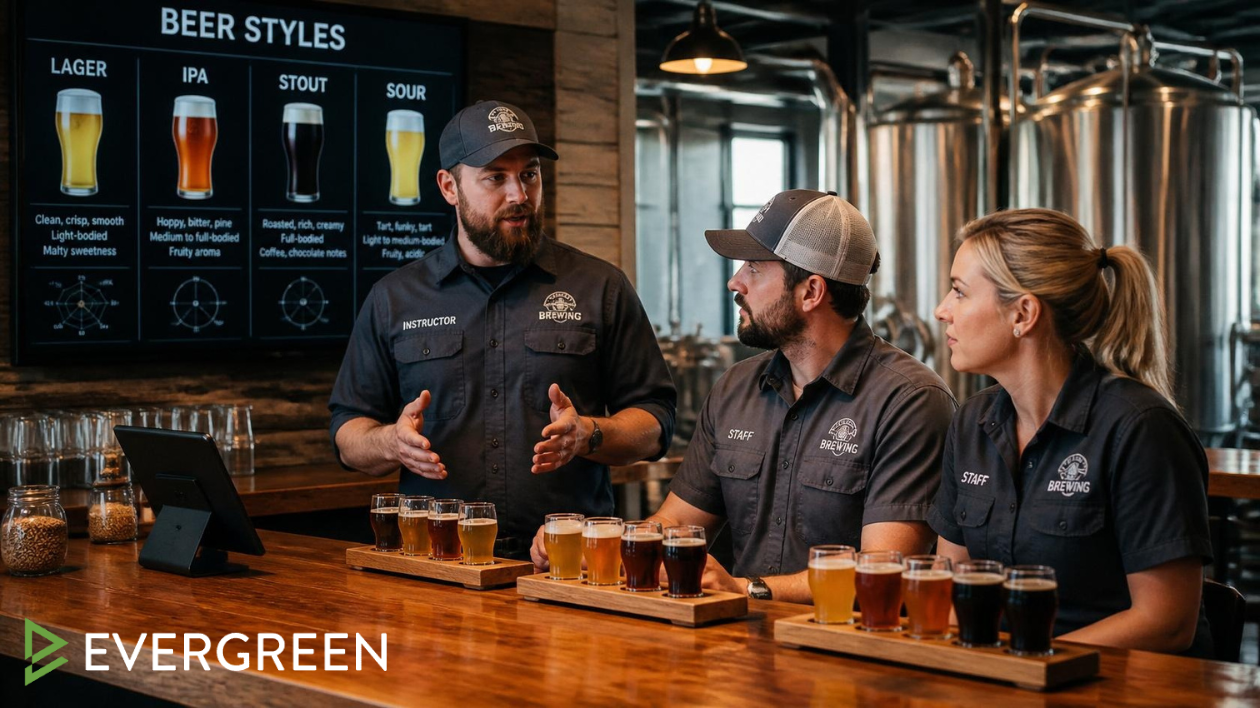
Understanding beer styles is the foundation of building a strong tap program. From session lagers to imperial stouts, the style determines the guest, the occasion, and the price point. Use these guides to train staff, design your menu layout, and make smarter buying decisions.
- The 7 Main Categories of Beer
- Defining a Craft Beer: 5 Ways to Describe a Style
- Beer Style: Bock Beer
- Beer Style: American Pale Ale
- Beer Style: Barley Wine
- Beer Style: Hard Cider
- Beer Style: Cask Ale
- What is Altbier?
- Top 10 Sour Beers According to Evergreen Users
- Coffee Beers: A Continuing Trend
- The Canned vs. Bottled Beer Debate
- Non-Traditional Beer Ingredients
- What is Bottle Conditioned Craft Beer?
- Brewery, Microbrewery, Brewpub — What’s the Difference?
📈 Beer Program Profitability
A great tap list doesn’t automatically mean a profitable one. Margin, pour cost, waste, and seasonal rotation all determine whether your craft beer program adds to the bottom line or drains it. These articles cover the business mechanics behind a high-performing beer program.
- Tips to Create a More Profitable Bar and Beer Program
- Most Profitable Bar Ideas
- Are Small Restaurants Profitable?
- Average Restaurant Profit Margins
- Beer and Food Pairing
- Cooking with Craft Beer: Inspired Dishes
- 5 Signs of a Solid Craft Beer Bar
- What Are the 3 Main Roles of a Tap Room?
📅 Seasonal Beer Strategy
Seasonal taps drive urgency and return visits. Guests come back for fall releases, winter warmers, and spring sessionables. These guides help you plan your rotating seasonal program and merchandise it effectively on your digital beer menu board.
- The Best Fall Beers to Have on Tap
- Top Ten Fall Beers: 2017 Edition
- CraftBeer.com’s Top 20 Winter Seasonals
- The 5 Best Craft Beers for Memorial Day
- Top Craft Beers for Cinco de Mayo
- Beers That Pair Great with Thanksgiving
- Top 6 Holiday Beers for Your Bar
- Top Spring Craft Beers
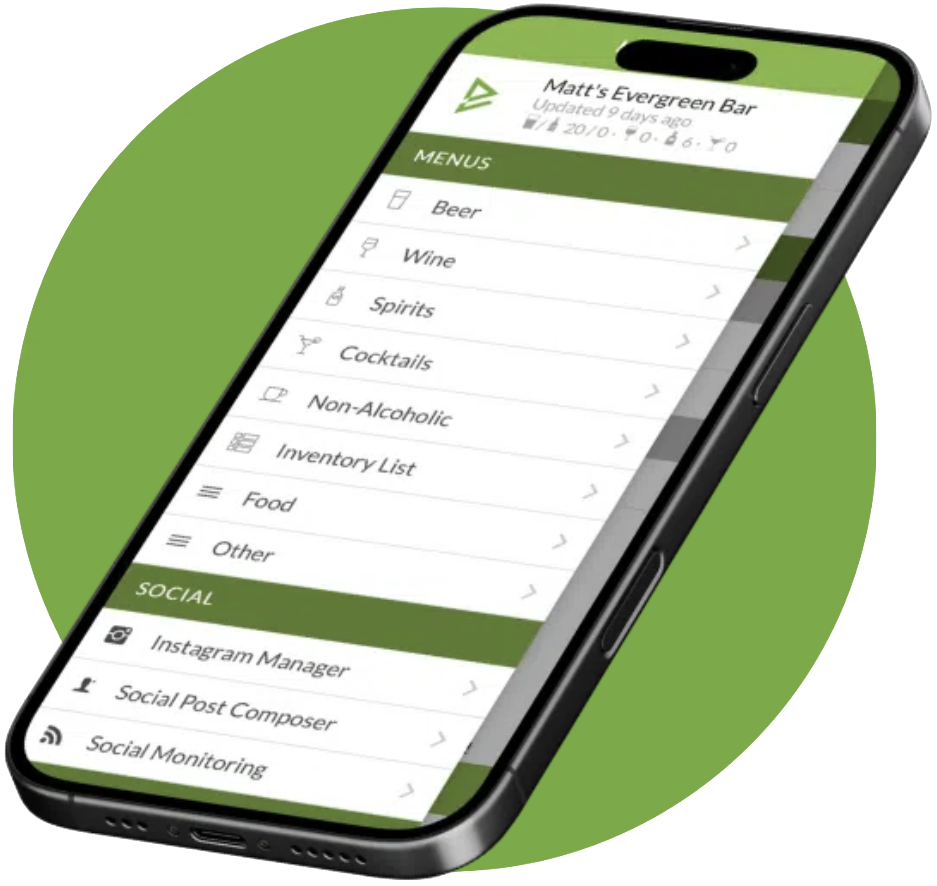
Manage Your Entire Tap List from One Dashboard
Update beer names, ABV, descriptions, and pricing in real time. Publish to screens instantly.
🎤 The Business of Beer Podcast Archive
Evergreen’s Business of Beer series featured brewery founders, beer writers, and industry leaders talking about the craft beer business from the inside. These interviews cover distribution, scaling, brand building, and what it really takes to run a profitable beer business.
- Business of Beer with John Holl, Editor of All About Beer
- Business of Beer with Dan White, CEO of Growler USA
- Business of Beer with Greg Koch, Co-Founder of Stone Brewing
- Business of Beer with Sam Calagione, Founder of Dogfish Head
- Tap Into the Business of Craft Beer
- Interviews of the Craft Beer Industry
Frequently Asked Questions About Craft Beer & Digital Beer Menus
| Question | Answer |
|---|---|
| What is a digital beer menu board? | A screen-based display that shows your tap list in real time. Operators update it remotely — changes appear instantly on all connected screens. |
| How does Evergreen differ from Untappd? | Evergreen is a full digital menu management platform built for operators. Untappd is primarily a consumer app. Evergreen gives you branded screen control, real-time updates, and multi-location management. |
| How many beers should a bar keep on tap? | Most successful craft beer bars keep 8–20 taps. Fewer taps with higher rotation drives guest excitement better than a static list of 40+ options. |
| Can I use Evergreen for a brewery taproom? | Yes. Evergreen was built with breweries and taprooms in mind. You can display tap list, ABV, IBU, tasting notes, and pricing — all updated remotely. |
| What’s the best way to train staff on craft beer? | Start with the 7 main beer categories, then build style-specific knowledge by flight. Regular tasting sessions and pairing exercises build confidence faster than manuals alone. |
Your Tap List Deserves a Better Display — Start With Evergreen
Every resource on this page points back to the same idea: craft beer programs that perform well are managed with intention. The bars and breweries winning in this category keep their menus current, train their staff well, and give guests a reason to explore. Evergreen makes the display side effortless — so you can focus on the program itself. Start a free trial or contact us to see it in action.
About Evergreen
Evergreen is a digital menu management platform serving bars, restaurants, breweries, and hospitality operators across the United States. Founded in San Diego, Evergreen helps operators manage tap lists, food menus, and promotional content across digital screens — all from one cloud-based dashboard. Over 4,500 venues trust Evergreen to keep their menus current and their guests informed.