Digital menu design isn’t just about displaying your drinks—it’s about psychology. Strategic placement of high-margin items on a menu can increase sales by as much as 30%, while well-designed menus using psychological principles can boost establishment sales by 15.8% compared to traditional menu designs.
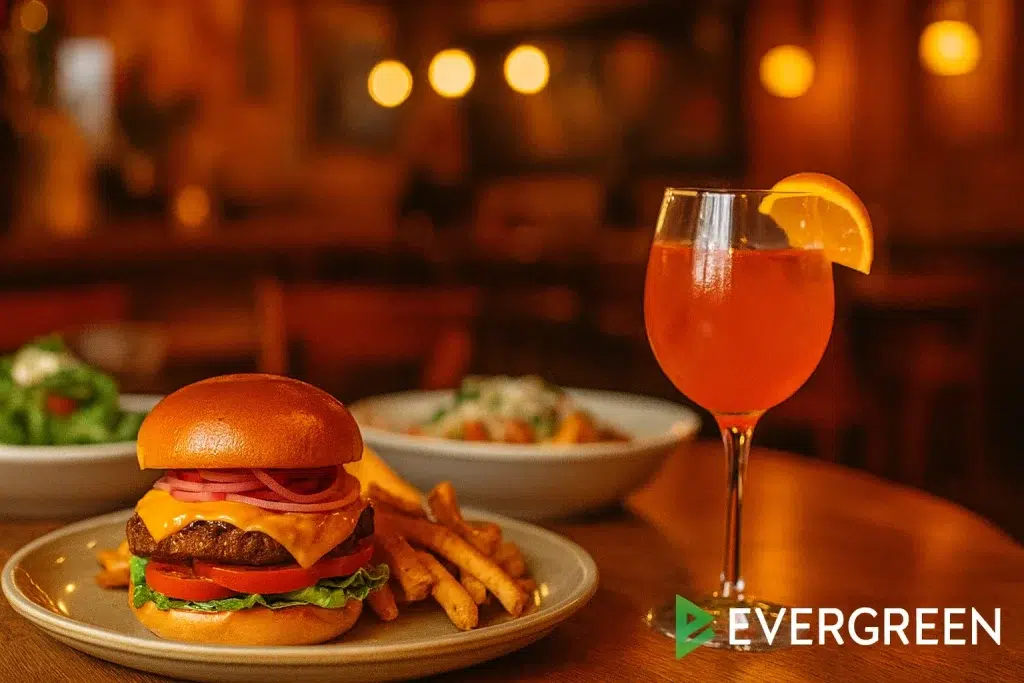
The science behind menu psychology reveals that customers spend only 109 seconds looking at your menu on average, making every design element crucial for driving profitable decisions. Understanding how color, layout, and presentation influence customer behavior can transform your digital displays from simple product lists into powerful sales tools.
The Science Behind Menu Psychology
Menu psychology, also known as “menu engineering,” is the strategic process of designing menus to maximize profits by analyzing popular and profitable items. This approach combines data analysis with behavioral psychology to create menus that subtly guide customers toward specific choices.
The concept was first introduced to the restaurant industry by Albin Seaberg in his 1971 book “Menu Design,” where he pointed out the importance of designing menus to capture customer attention and increase selection odds for high-profit items.
Modern research reveals that menu design can have subtle but significant effects on customer ordering behavior. Just as retail stores use window displays to promote merchandise, restaurants can boost sales of high-profit items by strategically highlighting them on menus.
Color Psychology: The Foundation of Effective Menu Design
Colors That Stimulate Appetite and Drive Sales
Color psychology plays a fundamental role in digital menu effectiveness. According to Review42, color influences 85% of shoppers to purchase items or services, making color selection one of your most powerful tools for increasing sales.
Red: The Urgency Creator
Red is a powerful color that increases heart rate and creates a sense of urgency, encouraging customers to make quicker decisions. Fast-food chains like McDonald’s leverage red in their digital menu boards to stimulate appetite and create urgency, while yellow accents grab attention and evoke happiness.
Red encourages action and is used to persuade customers to buy meals with the highest profit margins. This makes red particularly effective for highlighting premium cocktails, specialty drinks, or limited-time offers on your digital beer menu boards.
Orange: The Appetite Stimulator
Orange stimulates appetite and conveys energy, heightened mental alertness, creativity, and happiness. This warm color works particularly well for highlighting comfort foods, seasonal specials, and items you want to move quickly.
Yellow: The Attention Grabber
Yellow is a happy hue used to catch diners’ attention and can be effective for promotional items or new additions to your menu. However, yellow should be used sparingly as accent color rather than as a primary background color for readability reasons.
Colors That Create Atmosphere and Trust
Green: The Health and Freshness Signal
Green is associated with health, nature, and freshness, making it excellent for restaurants emphasizing healthy or organic options. Green implies the food is fresh, which is particularly valuable for establishments focusing on farm-to-table concepts or fresh ingredients.
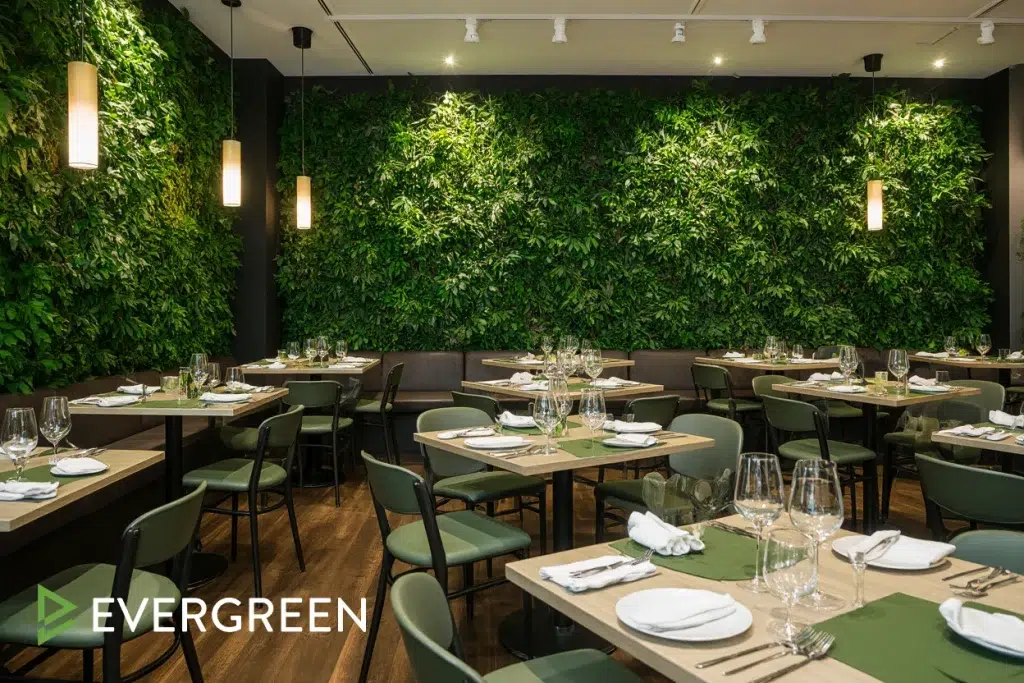
Starbucks effectively uses green and white color palettes in their digital menu boards, with green aligning with their brand’s emphasis on health and sustainability while creating a relaxing and inviting atmosphere.
Gold: The Premium Indicator
Gold should be used for premium or high-end exclusive wine and cocktail selections. This color immediately signals luxury and can justify higher price points for specialty drinks or top-shelf liquors.
Strategic Color Implementation
Evergreen’s digital menu software allows you to implement color psychology effectively with customizable design options. You can use different colors to:
- Categorize different beverage types: Use consistent color coding to help customers navigate your menu sections quickly
- Highlight high-margin items: Apply attention-grabbing colors to your most profitable offerings
- Create visual hierarchy: Guide customer attention through strategic color placement
- Maintain brand consistency: Incorporate your establishment’s theme colors throughout the menu
Layout Psychology: The Golden Triangle and Visual Flow
Understanding Eye Movement Patterns
Customer eye movement follows predictable patterns when viewing digital menus. Research shows that eyes automatically start in the middle of the page, then move to the top right corner before focusing on the top left. This area is known as the “Golden Triangle” and represents prime real estate for your most profitable items.
Bars using strategic digital signage report average profit increases of 35% when they understand and leverage these visual patterns. The key is recognizing that edge avoidance means items on far edges get less attention.
The Rule of Seven: Combating Decision Fatigue
The “paradox of choice” assumes that the more options customers have, the more anxiety they feel. Research reveals that the golden number for food options is 7 per category, as anything over seven items can overwhelm customers and lead to confusion.
When customers feel overwhelmed, they often revert to their “usual” by default instead of trying new or more expensive menu items. Streamline each category to make the decision-making process easy and seamless to encourage exploration of higher-margin options.

Strategic Item Positioning
Customers are drawn to either the top two or the bottom two dishes in any section of your menu. Position your star dishes—those with high profit margins and broad appeal—in these prime spots.
For digital menus, this positioning strategy is particularly powerful because you can:
- Rotate featured items automatically throughout the day
- Adjust positioning based on inventory levels
- Test different layouts and measure results
- Highlight time-sensitive promotions in premium positions
Font Psychology and Typography Choices
Readability Versus Personality
Typography choices significantly impact both readability and brand perception. Clear, readable fonts ensure customers can easily process menu information during their brief 109-second viewing window.
Evergreen’s digital menu software offers hundreds of font options that allow you to balance personality with functionality. Consider these typography principles:
Sans-Serif Fonts: Provide clean, modern readability ideal for digital displays
Script Fonts: Add personality and elegance but should be used sparingly for headers or special items
Bold Weights: Draw attention to high-margin items or special promotions
Font Size Hierarchy: Create clear visual organization with varying text sizes
Font Color and Contrast
Poor contrast can make text difficult to read and should be avoided. Ensure clear distinction between text and background colors while maintaining your color psychology strategy.
Effective contrast combinations include:
- White text on dark backgrounds for premium positioning
- Dark text on light backgrounds for easy scanning
- High-contrast accent colors for calls-to-action
- Consistent contrast ratios across all menu sections
Price Psychology: The Art of Perception
Price Anchoring Strategies
In the restaurant industry, it’s common practice to include premium-priced items alongside more economical options. This technique, called “price anchoring,” serves as a frame of reference for customer decisions.
For example, if customers see a $32 craft cocktail next to a $22 premium beer, the beer will appear to be good value even though it might not be the cheapest option overall. Use pricing decoys by including 1-2 “expensive” options within each category to make other options seem reasonable.
Price Presentation Techniques
Eliminate the currency symbol ($) from price listings to reduce the psychological impact of spending money. This subtle change can make prices feel less prominent and reduce purchase resistance.
Avoid “price columns” layouts so pricing is associated with each item rather than creating direct price comparisons. This helps eliminate price shopping, especially when item costs vary significantly.
Research from Cornell University suggests that consumers are more likely to choose items with prices ending in “.99” compared to rounded figures, though this charm pricing technique should be used strategically to avoid appearing low-end.
Descriptive Language: The Power of Words
Sensory Language That Sells
Menu descriptions are key to customer decisions. Using evocative language that appeals to the senses can encourage customers to choose particular items. Descriptions should focus on the experience of the drink, such as “a refreshing citrus blend with a hint of spice,” to evoke emotions and help customers visualize their experience, increasing purchase likelihood.
According to a Cornell study, researchers found that detailed descriptions sold nearly 30% more food, and customers also rated those items as tastier.
Effective Description Strategies
Origin Stories: Visually tell the origin story of each drink by including information about breweries, distilleries, or unique ingredients.
Sensory Details: Include taste profiles, aromas, and texture descriptions that help customers imagine the drinking experience.
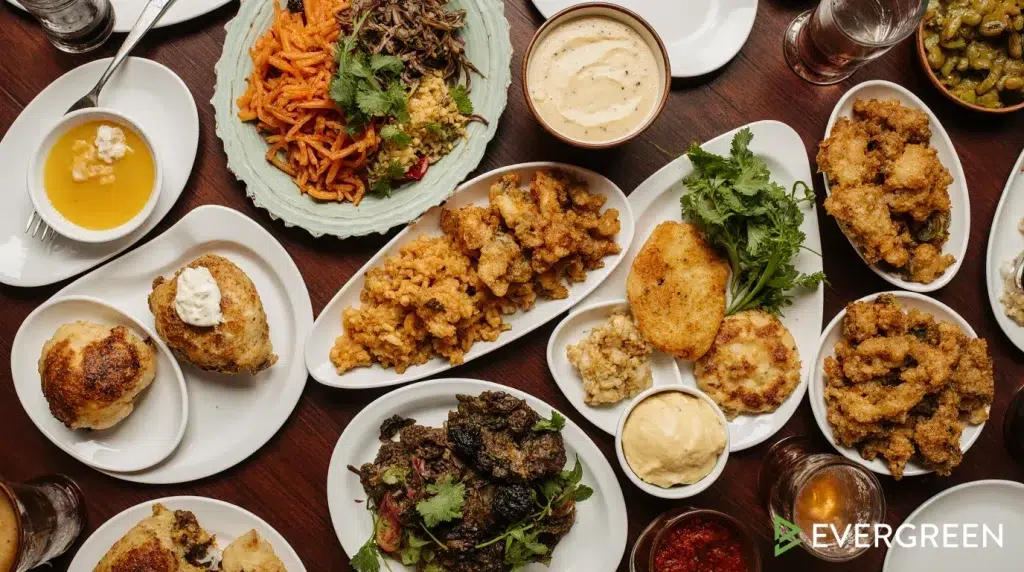
Preparation Methods: Mention special preparation techniques or premium ingredients that justify higher prices.
Pairing Suggestions: Incorporate food pairing recommendations to encourage additional purchases and enhance the overall experience.
Digital-Specific Advantages for Menu Psychology
Dynamic Content Capabilities
Digital menus offer psychological advantages that static menus cannot match:
Real-Time Updates: Remove sold-out items immediately to prevent customer disappointment and maintain trust
Seasonal Rotations: Automatically highlight seasonal specials and limited-time offerings
Time-Based Promotions: Schedule happy hour pricing and promotional content automatically
A/B Testing: Test different layouts, colors, and descriptions to optimize performance
Interactive Elements and Engagement
Digital menu boards can boost profits by up to 35-42% when implemented strategically through enhanced engagement features:
Visual Appeal: Include high-quality images that make items more appealing and increase order likelihood
Animation Effects: Use subtle motion to draw attention to featured items without being distracting
Social Proof: Display popular items or customer favorites to leverage social influence
Educational Content: Provide information about brewing processes, ingredients, or cocktail history
Measuring Success: Analytics and Optimization
Key Performance Indicators
Track these metrics to measure your menu psychology effectiveness:
Sales Per Item: Monitor which items see increased orders after design changes
Average Order Value: Measure overall spending increases from strategic layout changes
Customer Engagement Time: Track how long customers spend viewing your digital menus
Conversion Rates: Compare viewing time to actual purchases for different menu sections
Continuous Improvement Strategies
Evergreen’s analytics capabilities allow you to track performance and make data-driven improvements:
Heat Mapping: Identify which menu areas get the most visual attention
Item Performance Tracking: Monitor sales changes after repositioning or redesigning specific items
Time-Based Analysis: Understand how menu performance varies throughout the day
Customer Feedback Integration: Collect and analyze customer responses to menu changes
Common Menu Design Mistakes to Avoid
Visual Overload Issues
Using too many colors can overwhelm customers and make menus hard to read. Stick to a primary color scheme with one or two accent colors to maintain visual clarity while implementing color psychology principles.
Readability Problems
Prioritize readability over aesthetics—beautiful designs are useless if customers cannot easily read the menu. Avoid decorative fonts for body text and ensure sufficient contrast between text and background colors.
Psychology Neglect
Failing to consider how colors affect mood and behavior can lead to ineffective menu design. Choose colors that evoke the desired emotional response from customers based on your establishment’s atmosphere and target market.
Implementing Menu Psychology with Evergreen
Design Flexibility and Control
Evergreen’s digital menu software provides the tools needed to implement effective menu psychology:
Color Customization: Access to complete color wheels and palettes for implementing color psychology strategies
Layout Templates: Pre-designed layouts optimized for customer eye movement patterns
Font Libraries: Hundreds of font options to balance readability with brand personality
Image Integration: High-quality product photography capabilities for enhanced visual appeal
Real-World Implementation
Understanding menu engineering psychology helps promote high-margin items through strategic visual hierarchy placement in golden zones. Evergreen customers can:
- Position premium beers and cocktails in optimal viewing areas
- Use color coding to guide customers toward profitable selections
- Implement price anchoring through strategic premium item placement
- Create urgency through limited edition positioning and countdown timers
Success Stories and Results
Establishments using strategic menu psychology with digital displays report:
- 15-20% increases in sales on average
- Higher average order values through effective upselling
- Improved customer satisfaction through better menu navigation
- Increased trial of new and premium items
Getting Started Today
Implementing menu psychology doesn’t require a complete overhaul of your current setup. Start with these immediate improvements:
Color Analysis: Review your current color scheme against appetite-stimulating and trust-building principles
Layout Audit: Identify your highest-margin items and ensure they’re positioned in the Golden Triangle
Description Enhancement: Add sensory language and origin stories to premium offerings
Price Presentation: Remove dollar signs and implement strategic price anchoring

Ready to harness the power of menu psychology for your establishment? Evergreen’s digital menu platform combines psychological principles with cutting-edge technology to create menus that don’t just display your offerings—they actively sell them.
Start your free trial today and discover how strategic menu design can transform browsers into buyers while boosting your profit margins through the science of customer psychology.