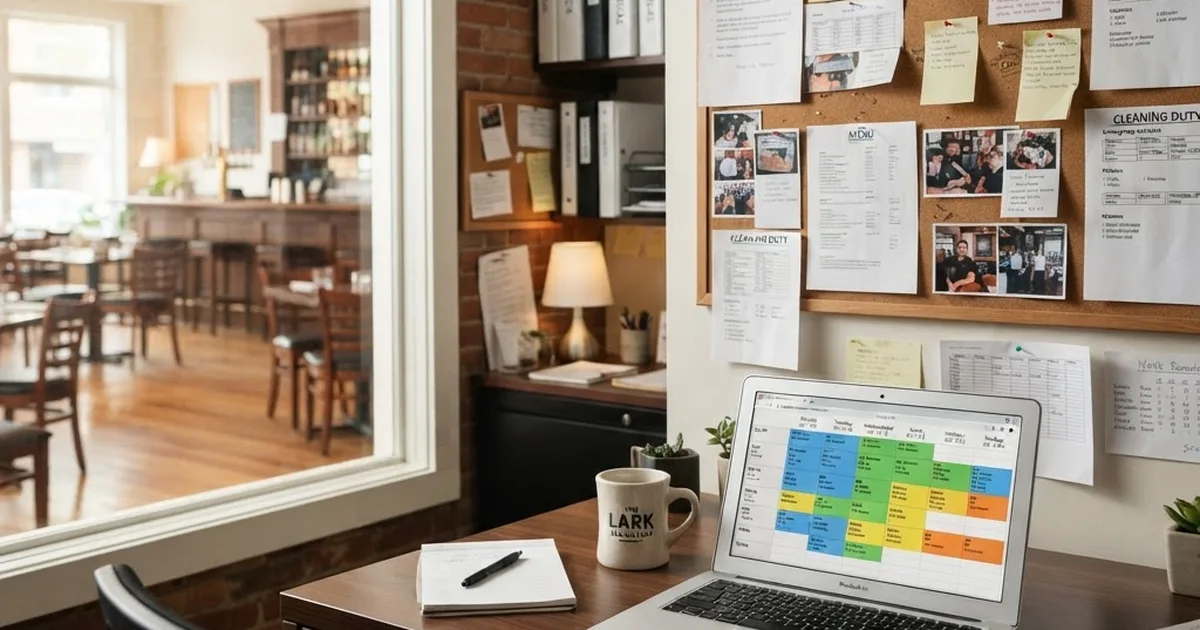
Restaurant Staff Scheduling: A Complete Manager’s Guide
Restaurant staff scheduling decides whether your labor budget works or quietly leaks money every week. Building shifts that match sales patterns keeps service sharp without overspending on hours. This guide covers how restaurant staff scheduling actually works, from forecasting demand to writing a schedule your team can rely on.
Restaurant Owners See Evergreen’s Digital Menu Software in Action
Join 4,500+ restaurants, bars, and breweries using Evergreen to modernize their menus.
Why Scheduling Is a Margin Problem
Labor is one of your two biggest costs. Sloppy restaurant staff scheduling shows up two ways: overstaffed Tuesday afternoons and slammed Friday nights with three people on the line. Both cost money, one in wages and one in lost guests. A pub owner in North Carolina rebuilt her restaurant staff scheduling around sales by hour instead of gut feel. Within six weeks, labor dropped three points as a share of sales while weekend ticket times improved. The fix cost her one afternoon with a spreadsheet. The pattern holds across concepts. Managers who track restaurant profit levers consistently rank labor planning near the top. If your venue runs bars or late shifts, the same math appears in how to increase bar revenue.Forecast Before You Schedule
Never build a schedule from last week’s paper. Pull four weeks of sales by daypart and schedule against the pattern. Restaurant staff scheduling gets easier when the forecast does the arguing for you.- Sales by hour: schedule to the peaks, not the average.
- Event overlays: add bodies for games, trivia, and holidays.
- Weather and season: patios and rain change everything.
- Turnover buffer: schedule one flex shift per rush.
Write the Schedule in Six Steps
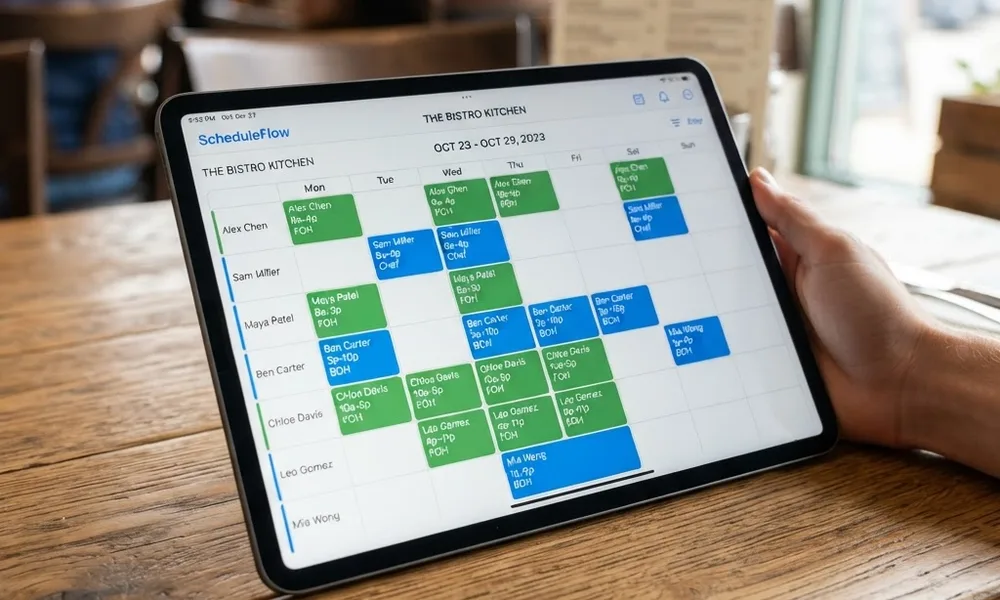
Here is a repeatable weekly rhythm for restaurant staff scheduling.- Pull four weeks of sales data and mark your peaks.
- Set a labor target as a share of forecasted sales.
- Fill the peaks first, then add prep and support shifts.
- Honor time-off requests submitted by your deadline.
- Publish three days early so swaps happen before Friday.
- Review actual versus forecast and adjust next week.
Retention Starts on the Schedule
Unpredictable schedules burn out good people. Consistent restaurant staff scheduling, posted on time, is one of the cheapest retention tools you own. Industry research on restaurant workforce trends ties schedule stability directly to turnover. Two habits carry most of the value:- Give regulars regularity: students and parents plan around predictable blocks.
- Set a swap protocol: one board, one thread, manager approves, no side deals.
Tools and Guardrails
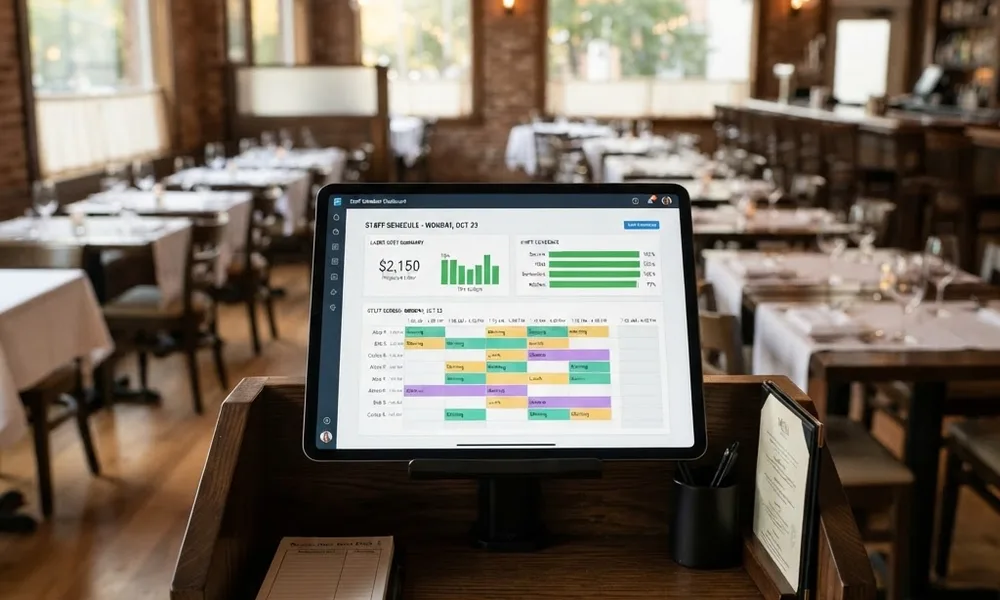
Use whatever publishes fastest: a scheduling app, a spreadsheet, or the system your staff already checks. Whatever you choose, protect these restaurant staff scheduling guardrails: no clopening shifts, minors scheduled inside legal hours, and overtime flagged before it posts. The Department of Labor’s FLSA overview is the baseline for hours and overtime rules.FAQ: Restaurant Staff Scheduling
| Question | Answer |
|---|---|
| How far ahead should I post the schedule? | At least three days before the week starts, so swaps and conflicts resolve early. |
| What is a good labor percentage? | Most full-service concepts target 25 to 35 percent of sales including management. |
| How do I schedule for a busy weekend? | Build from sales by hour, add a flex shift, and stack your best closers on peaks. |
| Should I use scheduling software? | Yes if it cuts your build time and lets staff swap without phone tag. |
| How do I handle constant swaps? | One published protocol: request in writing, manager approves, no side deals. |
Restaurant Owners See Evergreen’s Digital Menu Software in Action
Join 4,500+ restaurants, bars, and breweries using Evergreen to modernize their menus.
A Schedule That Works as Hard as Your Team
Restaurant staff scheduling built on real sales data protects labor budget, service quality, and the people who deliver both. Evergreen keeps your menu side of the operation just as tight. See a free demo while you fix the schedule side.
About Casey Marte
Senior SEO & Digital Marketing Strategist, EvergreenHQ
Casey Marte is a Senior SEO & Digital Marketing Strategist at EvergreenHQ, with over 14 years of experience across content strategy, search optimization, and AI-driven marketing. She specializes in making complex digital concepts practical for the operators who need them most.
At EvergreenHQ, Casey brings a data-first mindset to everything from how your business ranks in search to how your brand shows up across platforms. Whether you are running a single taproom or a growing multi-unit restaurant group, she is focused on making sure your digital presence works as hard as your team does.