Knowing the right interview techniques for hiring a bartender is one of the most valuable skills a bar or restaurant manager can develop. A great bartender doesn’t just make drinks — they set the tone for every guest interaction, drive beverage revenue through upselling and engagement, and directly influence whether guests come back. A bad one does the opposite. This guide covers the proven bartender interview techniques that identify genuinely great candidates, the questions that reveal character and competency, and the red flags that save you from a costly mis-hire. Whether you’re hiring your first bartender or staffing a new location, these strategies will help you find and keep the best people.
Table of Contents
ToggleWhat Makes a Great Bartender — And Why It’s Hard to Spot in an Interview
The challenge with hiring a bartender is that the skills that matter most — guest connection, composure under pressure, upselling instinct — are almost impossible to assess from a resume. A candidate can look great on paper and be average behind the bar. Conversely, your best-ever bartender might have had a modest resume.
Great bartenders share a specific set of traits that your interview process needs to surface:
- Genuine hospitality instinct — They light up when talking about taking care of people. It’s not a job to them; it’s a personality trait.
- Composure under pressure — Friday night at 9pm with a 45-minute wait and a difficult guest at the bar is where average bartenders fall apart and great ones shine.
- Product knowledge and curiosity — The best bartenders are genuinely curious about what they’re serving. They read about spirits, ask distributors questions, and taste everything.
- Upselling without being pushy — They naturally guide guests toward better options — a premium spirit, a craft cocktail, a food pairing — without ever making the guest feel sold to.
- Reliability — A brilliant bartender who calls out sick on Saturday nights is not a good bartender for your business.
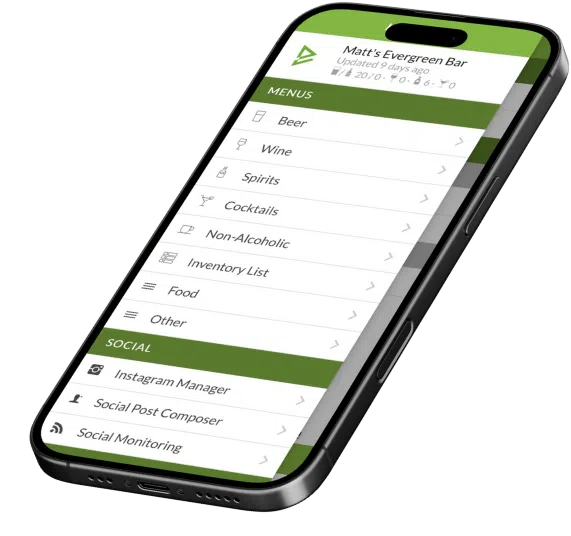
Give Your Bar Team Tools Worth Working With
Join 4,500+ restaurants, bars, and breweries using Evergreen to modernize their menus.
The Best Bartender Interview Questions (And What the Answers Tell You)
Opening Questions
- “Tell me about the best shift you ever had and what made it great.”
Listen for: Genuine enthusiasm about the work. Do they talk about the guests? The team? A great cocktail they made? Or just that it was busy and they made good money? - “What’s a spirit you’ve been excited about recently and why?”
Listen for: Authentic curiosity. A great candidate has a real answer — a specific bottle, a style they’ve been exploring. A generic answer reveals surface-level knowledge.
Skills and Competency Questions
- “Walk me through how you’d handle a guest who’s unhappy with their cocktail.”
Listen for: Empathy first, solutions second. The best bartenders acknowledge the guest’s experience before jumping to a solution. Defensiveness about the drink is a red flag. - “How do you handle a bar rush when you’re short-staffed?”
Listen for: Specific, practical strategies — batching cocktails in advance, prioritizing the ticket order, communicating with the floor team. Vague answers suggest limited experience under real pressure. - “How do you identify when a guest has had too much and what do you do?”
Listen for: Confidence and clarity. This is a legal and liability question as much as a skills question. The best bartenders have a practiced, professional approach — not a shrug.
Culture and Reliability Questions
- “Describe a time you disagreed with a manager’s decision. What did you do?”
Listen for: Professionalism. Did they bring it up privately and constructively, or did they complain to coworkers? The answer reveals a lot about how they’ll behave when they’re frustrated. - “What does reliability mean to you in this job?”
Listen for: A direct, specific answer about showing up on time, giving advance notice when sick, and treating their schedule commitments seriously. Vague platitudes aren’t enough here.
The Practical Skills Test: How to Assess a Bartender Before You Hire
The most effective bartender interview technique is a working trial — inviting the strongest candidates to work a paid trial shift behind the bar during actual service. This reveals everything a traditional interview can’t:
- How they organize their station and prep before service
- How they interact with guests when the bar fills up
- Whether their speed and technique matches their stated experience level
- How they interact with your existing team
For candidates you want to assess without a full trial shift, a practical skills demonstration is valuable. Ask them to make three specific cocktails — one classic (Old Fashioned or Negroni), one highball, one their own creation. Watch their technique, their organization, and how they talk about what they’re making. The narration reveals knowledge depth. The technique reveals experience.
Red Flags to Watch For
- Negative talk about former employers or coworkers
- Vague answers to specific questions about past experience
- No genuine curiosity about your menu, concept, or spirits program
- Inconsistent employment history with no clear explanation
- Overconfidence combined with unwillingness to describe a time they made a mistake
Retention: Keeping the Great Bartenders You Find
| Retention Driver | What It Looks Like in Practice |
|---|---|
| Competitive compensation | Fair hourly rate + tip structure that rewards great performance. Great bartenders have options — pay them to stay. |
| Ongoing education | Distillery tours, spirit education sessions, cocktail competitions. Invest in their craft and they invest in yours. |
| Great menu and concept | Skilled bartenders want to work somewhere with a menu they’re proud of. Give them interesting products to showcase on your digital menu boards. |
| Autonomy and input | Invite your best bartenders to contribute cocktail ideas. Ownership in the menu creates ownership in the business. |
| Respectful scheduling | Consistent shifts, advance notice of schedule changes, and flexibility when possible. Predictability is worth a lot to experienced service workers. |
4,500+ Bars and Restaurants Trust Evergreen
Join 4,500+ restaurants, bars, and breweries using Evergreen to modernize their menus.
Frequently Asked Questions About Hiring a Bartender
| Question | Answer |
|---|---|
| What should I look for when hiring a bartender? | Hospitality instinct, composure under pressure, genuine product curiosity, upselling ability, and proven reliability. Skills can be taught; character is harder to change. |
| Should I do a working trial for bartender candidates? | Yes — a paid trial shift during actual service reveals more than any interview. It’s the single most effective bartender hiring tool available. |
| What questions should I ask in a bartender interview? | Ask about their best shift, recent spirits they’ve discovered, how they handle difficult guests, composure under pressure, and their approach to reliability. |
| What are red flags when hiring a bartender? | Negative talk about former employers, vague answers to specific questions, no curiosity about your concept, inconsistent employment history. |
| How do I retain great bartenders? | Competitive pay, ongoing education, menu input, consistent scheduling, and a concept they’re proud to work for. |
| How much does it cost to replace a bartender? | Industry estimates put bartender replacement cost at $3,000–$6,000 when accounting for recruiting, training, and productivity loss during the learning curve. |
Hire the Right Bartender — Then Give Them Tools Worth Working With
The right bartender interview techniques help you find people who will genuinely elevate your bar program — but keeping them means giving them a concept they’re proud of and tools that make their job better. Evergreen’s digital menu boards let your bar team update the tap list, feature their best cocktails, and communicate specials to guests in real time — no waiting for a reprint, no hand-written signs. Great bartenders appreciate great tools. Start your free trial today.
About Evergreen
Evergreen is digital menu software built for bars, restaurants, and breweries. Since 2010, Evergreen has helped 4,500+ operators manage their digital menu boards, website menus, and print menus from a single platform — giving bar teams the tools to run a more professional, more profitable operation.