A bar crawl is more than just a night out — it’s a carefully choreographed social experience that moves groups through multiple venues, building energy at each stop. Whether you’re organizing a bar crawl for a bachelorette party, a charity fundraiser, a neighborhood event, or just a legendary Friday night with friends, understanding the stages makes the difference between a chaotic evening and an unforgettable one. This guide walks through every stage of a successful bar crawl — from planning to last call — and what bars can do to make their stop the highlight of the night.
Table of Contents
Toggle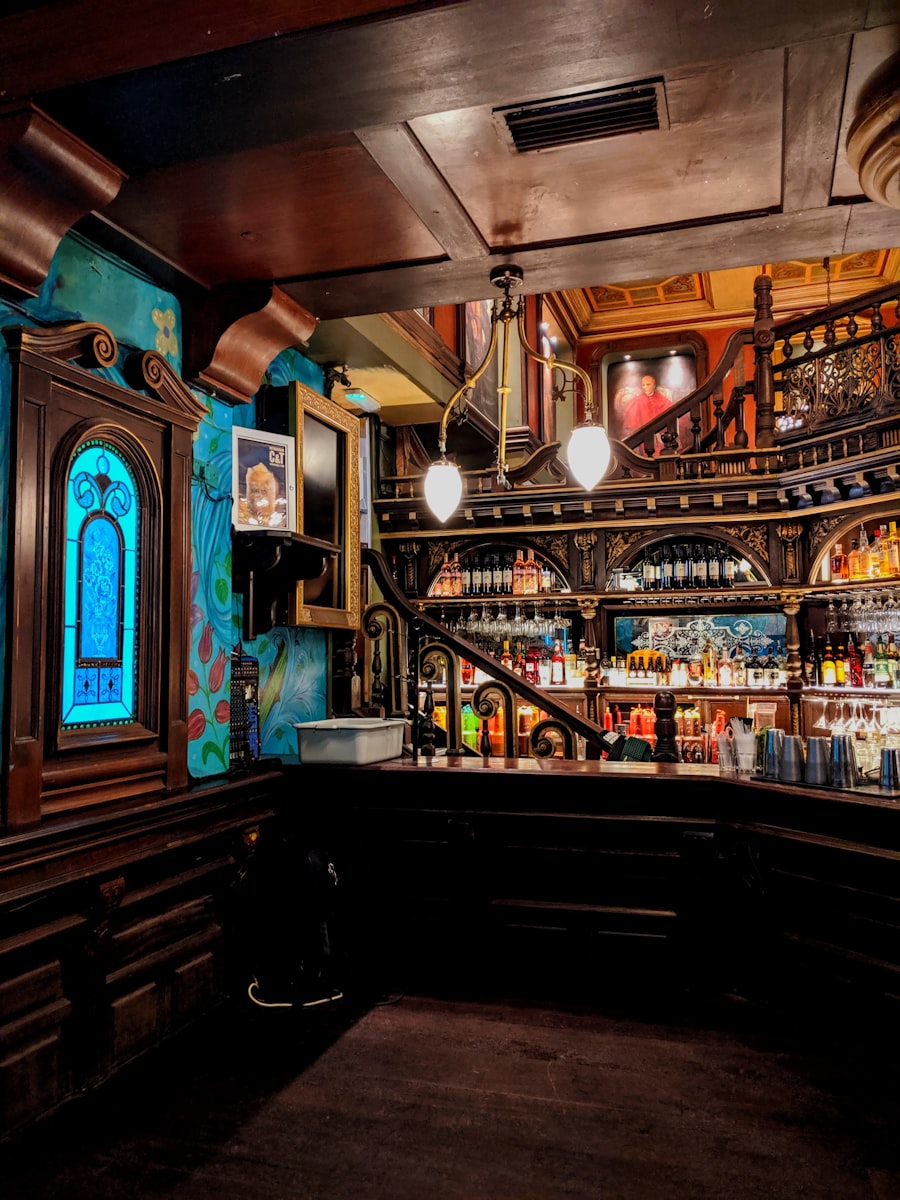
Understanding the stages of a bar crawl helps organizers and participating venues maximize the experience.
What Makes a Great Bar Crawl?
The best bar crawls balance three things: a clear route that builds momentum, enough time at each venue to actually enjoy it (but not so long the group loses energy between stops), and participating bars that are genuinely prepared for the group’s arrival. A well-organized bar crawl benefits everyone — participants get a curated evening, and bars get a guaranteed rush of high-energy guests at a predictable time.
Make Your Bar the Best Stop on the Crawl
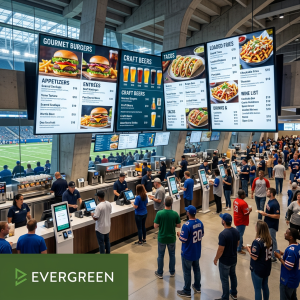
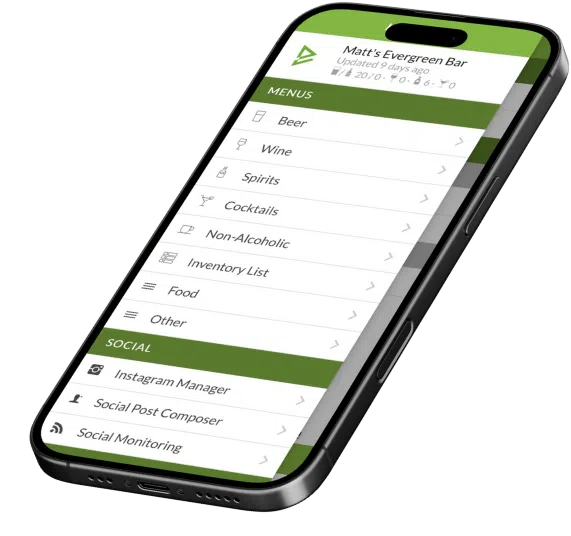
Display your specials and featured drinks on digital boards — update in real time to match the crowd.
The 6 Stages of a Bar Crawl
Stage 1: The Planning Phase
Every great bar crawl starts weeks before the first drink is poured. This phase involves selecting the route (typically 4–6 bars within walkable distance), coordinating with venues for group pricing or drink specials, setting start and end times, and communicating logistics to participants. Themed bar crawls — holiday, decade, costume — need even more lead time for costume planning and venue coordination.
- Route: 4–6 bars, walkable (under 10 minutes between stops)
- Time per stop: 45–60 minutes is the sweet spot
- Start time: 7pm–8pm allows for a full evening without starting too early
- Group size: 10–30 is manageable; above 30 requires advance venue coordination
Stage 2: The Kickoff Bar
The first stop sets the tone for the entire night. The ideal kickoff bar is relaxed, spacious enough to accommodate the full group comfortably, and has a drinks menu that’s easy to navigate for everyone (including those who aren’t big drinkers). This is not the time for the loudest bar with the longest wait — it’s the warm-up. The goal is to get everyone together, energized, and on the same page before the night accelerates.
Stage 3: The Building Momentum Stops (Bars 2–3)
By bars two and three, the group is warmed up and the energy is climbing. These stops benefit from slightly more atmosphere — better music, tighter spaces, more bar activity. This is where themed bar crawl photos happen, where the group dynamic crystallizes, and where the best stories of the night typically begin. Bars at this stage should be prepared for an energized, social group that moves fast.
Stage 4: The Highlight Bar
Every bar crawl has a highlight stop — the one everyone talked about in the planning phase and will talk about afterward. This is typically the most distinctive venue on the route: a rooftop bar, a craft cocktail speakeasy, a legendary dive with a story, or a bar with a signature drink the group has been looking forward to. The highlight bar is where the crawl peaks emotionally and photographically.
Stage 5: The Wind-Down
After the highlight, the group naturally begins to fragment — some push to the final stop, others call it a night. The wind-down bar is lower energy, more comfortable seating, and a bar menu that satisfies late-night cravings. Food at this stage is genuinely appreciated. A good late-night bar snack menu converts the wind-down into extended revenue rather than a group that disperses immediately.
Stage 6: The After-Party (Optional)
Some bar crawls end at a final destination — a club, a house party, or a late-night spot with a dance floor. For charity or organized events, the after-party is often where the biggest revenue is generated through ticket sales, raffles, and premium packages.
| Stage | Energy Level | What Bars Should Offer |
|---|---|---|
| 1 — Kickoff Bar | Low-medium (warm-up) | Easy menu, good group seating, welcoming staff |
| 2–3 — Momentum Stops | Medium-high (building) | Atmosphere, themed cocktails, fast service |
| 4 — Highlight Bar | Peak (the main event) | Signature drinks, distinctive atmosphere, photo moments |
| 5 — Wind-Down | Medium (tapering) | Comfortable seating, late-night food, relaxed vibe |
| 6 — After-Party | Variable | Dance floor, premium packages, late-night drinks |
Get Your Bar Ready for the Next Bar Crawl
Feature your crawl specials on digital boards — update in real time from your phone the moment the group arrives.
How Bars Can Maximize Revenue From Bar Crawls
Participating in a local bar crawl — or hosting one — is a genuine revenue opportunity for bars and restaurants. Here’s how to make the most of it:
- Offer a group special: A dedicated bar crawl drink package (e.g., $5 shots or a signature crawl cocktail) creates a reason for the group to order quickly and move on — ideal for high-volume short visits
- Feature it on your digital boards: Use Evergreen’s digital boards to display your crawl special prominently — update it in real time the moment you know the group is 10 minutes away
- Brief your staff: A group of 20+ arriving at once requires prepared staff. Pre-shift briefings on group size, timing, and crawl specials prevent chaos and maximize the visit
- Create a photo moment: A distinctive backdrop, a signature garnish, or a staff interaction that generates social media content extends your reach to every participant’s followers
Frequently Asked Questions About Bar Crawls
| Question | Answer |
|---|---|
| How many bars should a bar crawl have? | 4–6 is the ideal range. Fewer than 4 feels thin; more than 6 and the group loses energy before finishing the route. |
| How long should you spend at each bar on a crawl? | 45–60 minutes per stop is the sweet spot — enough time for everyone to order, drink, and socialize before the group moves on together. |
| What makes a good bar crawl route? | Walkable distance between stops (under 10 minutes each), variety in venue type and atmosphere, and a clear highlight stop that the group looks forward to. |
| How do bars benefit from bar crawls? | Guaranteed high-volume traffic at a predictable time, exposure to a new guest demographic, and potential new regulars who discover the venue for the first time. |
| What should bars offer bar crawl participants? | A signature crawl drink or group special, fast service, and an atmosphere that matches the energy of the group at that stage of the evening. |
Make Every Stage of Your Bar Crawl Count
Whether you’re organizing a bar crawl or preparing your bar to be a stop on one, understanding the stages — and what each one demands — makes the difference between a night guests forget and one they talk about for years. Keep your specials current, your staff briefed, and your digital boards updated in real time with Evergreen. Start your free trial today.
About Evergreen
Evergreen is digital menu software built for bars, restaurants, and breweries. Since 2010, Evergreen has helped 4,500+ operators manage their menus, specials, and digital boards — keeping every guest touchpoint accurate and every venue ready for the night ahead.